
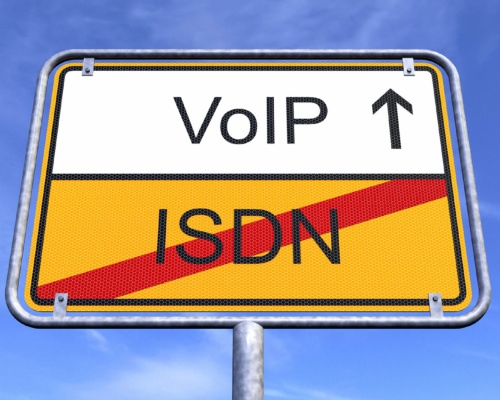
The ISDN and PSTN Switch Off: What UK Businesses Need to Know
- Thursday 13th August 2026
- Kevin Broughton
- VoIP
If your business still relies on a traditional
landline or ISDN phone system,
change is coming, and it's closer
than many businesses realise.
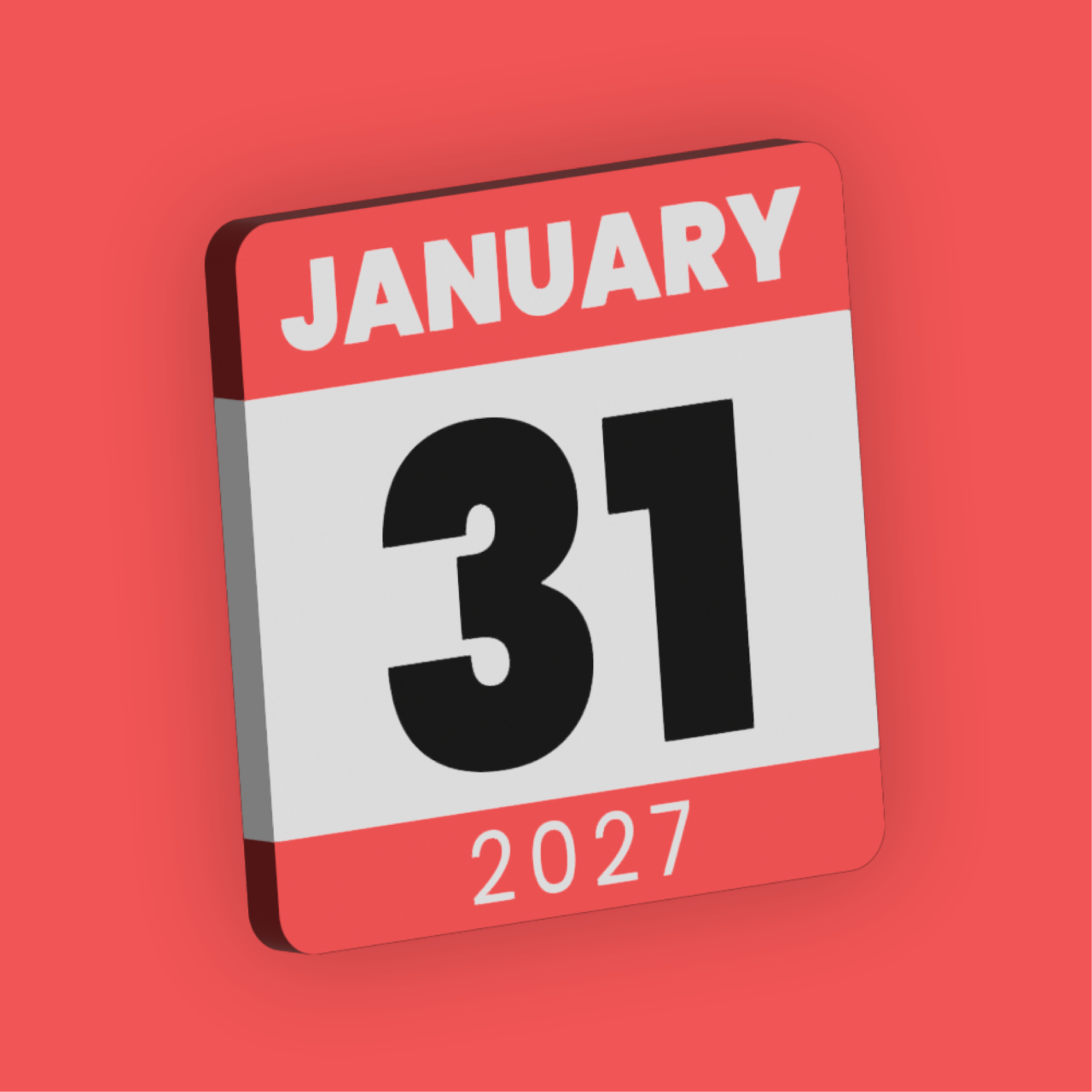
The UK's traditional telecoms networks are being retired, with a national deadline of 31st January 2027. After this date, businesses still relying on old copper-based lines could find themselves without a working phone system unless they've already moved to a digital alternative.
This post explains what the PSTN switch off actually means, why it's happening, and the practical steps businesses can take to prepare.
What Is the PSTN Switch Off?
PSTN stands for Public Switched Telephone Network, the traditional copper-wire system that's carried UK phone calls for decades. ISDN (Integrated Services Digital Network) runs alongside it, commonly used by larger businesses for multiple phone lines.
Both are being phased out in favour of digital, internet-based telephony, generally referred to as VoIP (Voice over Internet Protocol).
Why Is It Happening?
The copper network is old, increasingly expensive to maintain, and limited in capability compared to modern digital alternatives. Moving to an all-digital network allows for more flexible, feature-rich phone systems that work over broadband rather than dedicated phone lines.
When Is the Deadline?
The current national deadline for the full switch off is 31st January 2027.
Ahead of this date, telecoms providers are gradually migrating exchanges and customers across the UK, so some areas and business lines may be affected sooner than others.
What This Means for Your Business
Traditional Phone Lines Will Stop Working
Once the switch off is complete in your area, ISDN and PSTN lines will no longer function. Businesses that haven't moved to a digital system risk losing phone connectivity altogether.
Existing Equipment May Need Replacing
Some older phone hardware isn't compatible with digital systems, meaning handsets or on-site equipment may need to be upgraded alongside the switch.
It's an Opportunity, Not Just a Migration
Moving to VoIP isn't simply a like-for-like swap. Digital systems typically offer features such as call routing, mobile integration, and easier scalability, things traditional lines can't match.
Practical Steps to Prepare
- Check your current setup.
Identify whether your business still relies on ISDN, PSTN or analogue lines. - Speak to your provider early.
Migration timelines vary by area, so it's worth understanding when your exchange is affected. - Review your phone system needs.
Consider what features would genuinely benefit your business, such as call routing, mobile connectivity, or multiple lines. - Plan for hardware changes.
Check whether existing handsets and equipment will work with a new digital system. - Don't leave it too late.
Migrations take time to plan and implement properly, so starting early reduces the risk of disruption.
Why This Matters Beyond the Phone System
A phone system migration is also a good opportunity to review everything connected to it, including on hold messages, IVR menus, and welcome greetings. Moving to a digital system is often the right moment to refresh outdated audio content or improve how calls are routed.
Frequently Asked Questions
- What happens if I don't switch before the deadline?
Once your exchange is switched off, traditional ISDN and PSTN lines will stop working. Businesses that haven't migrated risk losing their phone service entirely. - Do I need new phone hardware?
It depends on your existing equipment. Some handsets are compatible with digital systems, while others will need replacing. It's worth checking with your telecoms provider. - Is VoIP more expensive than a traditional phone line?
Costs vary by provider and package, but many businesses find VoIP offers better value overall thanks to added features and flexibility, alongside call routing over broadband rather than a dedicated line. - Can I keep my existing phone number?
In most cases, yes. Number porting is a standard part of moving to a digital phone system, though it's worth confirming with your provider.
Final Thoughts
The PSTN switch off isn't just a technical formality. It's a deadline that affects any UK business still using a traditional phone line, and the businesses that prepare early will face far less disruption than those that leave it until the last minute.

Is your business ready for the switch off?
Visit our ISDN and PSTN switch off page to see how Onhold Studio can help you migrate smoothly, before the 2027 deadline catches you out.
About us and this blog
Onhold Studio has been developing custom on hold audio messages for almost two decades! We specialise in audio marketing for both VoIP and conventional telephone systems. Our team can handle every step of the process for you, whether you need music or on hold messaging, call menu options, or out-of-hours audio messages.